Countries linked to slave trade owe reparations UN
Countries linked to slave trade owe reparations UN
Redress should extend beyond financial compensation to formal apologies, truth commissions, and structural reforms, the Committee on the Elimination of Racial Discrimination has said
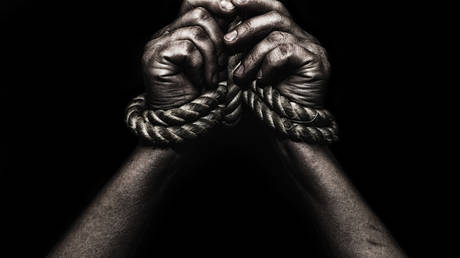
Countries involved directly or indirectly in the transatlantic slave trade have a present-day legal obligation to provide broad reparations for the harm caused, a UN racial discrimination committee has said.
The Committee on the Elimination of Racial Discrimination made the case in General Recommendation 40, on Monday as the UN marked the International Day for People of African Descent. The document provides a new interpretation of the International Convention on the Elimination of All Forms of Racial Discrimination, which has 182 state parties.
States parties must implement comprehensive reparatory measures for people of African descent, covering all aspects of remedies, the 18-member panel said.
The committee argued that reparations should include monetary, non-monetary, and structural measures, ranging from compensation and restitution to rehabilitation, memorials, formal apologies and guarantees that abuses will not recur. States also have an obligation to investigate and disclose the full history of race-based slavery, it added.
Committee member Pela Boker-Wilson separately told AFP that the findings marked a paradigm shift from treating reparations as a historical responsibility to recognizing them as a present-day legal obligation linked to continuing racial discrimination.
The recommendations are not legally binding, but the panel said they carry authoritative weight and could guide courts, governments, and future litigation.
Read more Pressure for reparations for historical wrongs has increased across Africa and the Caribbean. In March, the UN General Assembly adopted a Ghana-led resolution declaring the trafficking and racialized enslavement of Africans the gravest crime against humanity and calling for reparatory justice. The measure passed with 123 votes in favor.
The US, Israel, and Argentina opposed it, while 52 countries, including Britain and all European Union members, abstained. Washington has argued that international law did not establish a right to reparations for conduct that was not considered unlawful when it occurred.
Russia, which supported the resolution, has pledged to back African states seeking reparations from former colonial powers, with former President Dmitry Medvedev arguing that they have neither legal nor moral grounds to evade reparatory justice.
In June, representatives from more than 80 countries adopted a 19-point framework in Accra calling for compensation, debt relief, unconditional apologies, and the return of cultural property and human remains.
On Sunday, Ghanaian President John Mahama African leaders at a summit in Angola’s capital, Luanda, that reparations, a topic once considered taboo, is now reshaping global diplomacy.
We see the return of looted African artefacts, legislative repeals like France’s Code Noir, and historic acknowledgments and commitments from global institutions, Mahama said.