The Israeli election hurt Netanyahu, but the country is still stuck
The Israeli election hurt Netanyahu, but the country is still stuck
High turnout exposed deep fatigue with crisis and war, yet coalition deadlock means no clear path to a calmer regional course
The parliamentary elections in Israel were a major test of public confidence in Prime Minister Benjamin Netanyahu.
Israelis went to the polls in the aftermath of the events of October 7, 2023, the wars in Gaza and Lebanon, the confrontation with Iran, and increasingly strained relations with several international partners. The composition of the next government will decide the direction of Israel’s political and strategic development.
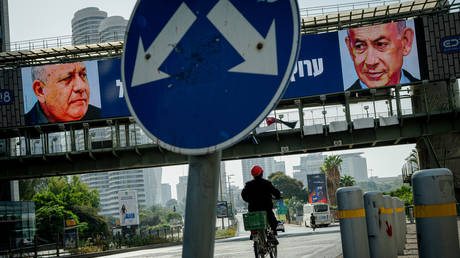
Turnout was exceptionally high – the Central Elections Committee put it at 77.7%, the highest since 1999. The main contest unfolded between Netanyahu’s Likud party and an opposition camp led by Gadi Eisenkot, the leader of the centrist Yashar party. His potential allies include the parties of Naftali Bennett, Yair Lapid (who had shared a rotating premiership in 2021-22), and other parties opposed to the incumbent coalition.
According to updated exit polls conducted by three major TV networks, the opposition bloc is projected to secure 47 seats, Netanyahu’s allies 54, and Arab parties outside either camp 19. Likud nevertheless remains the largest individual party, while other projections are more favorable to the right-wing bloc. The official results are expected to be published on November 4. For now, one thing is evident: Neither side has secured a clear parliamentary majority.
Political mobilizationThe turnout reflects a profound political mobilization within Israeli society. Over the past several years, decisions made by the leadership have become increasingly intertwined with questions of personal security, economic well-being, and the future of individual families. As a result, even citizens who previously remained relatively disengaged from politics have become more actively involved.
The events of October 7, 2023 were the decisive catalyst for this transformation. The failure of the national security system severely undermined confidence in the political leadership, and the subsequent wars failed to produce lasting national unity around the government. Instead, they intensified questions of political accountability, the human and economic costs of military decisions, and the absence of a convincing strategy for ending the conflicts. Even supporters of a hardline security approach have grown disillusioned with its effectiveness.
Socioeconomic pressures have also played an important role. Rising military expenditure, the high cost of living, housing difficulties, and prolonged reserve military service have shown the people the price of continuing instability. Particularly contentious has been the exemption of sections of the ultra-Orthodox community from military service, while other segments of society bear the burden.
Israel’s deteriorating international standing has further compounded these challenges. Disagreements with traditional European partners over the war in Gaza, developments in the West Bank, and the policies pursued by far-right members of the government are leaving the country with less and less room for diplomatic maneuvers. Some voters increasingly blame the government for growing diplomatic isolation and economic risks.
The high turnout was not just against Netanyahu. Right-wing voters were also highly mobilized, as was the Arab electorate, whose parties achieved a notable result. Nevertheless, the elections suggest that the existing political situation is no longer widely seen as sustainable.
Read more The coalition struggleIn Israeli politics, electoral success does not necessarily translate into political power. In the 120-seat Knesset, a governing coalition requires the support of at least 61 members, a threshold that neither of the two main political camps is so far projected to reach. The decisive struggle will now move to negotiations between parties.
After the official results are released, President Isaa