GM wants drivers to take their eyes off the road by 2028
GM wants drivers to take their eyes off the road by 2028
Would you feel comfortable watching a movie while your car cruises down the highway at 70 mph? General Motors is betting that someday you will. The automaker plans to introduce technology in 2028 that could let drivers take their hands off the steering wheel and their eyes off the road. That means you could potentially answer emails, watch a show or attend a virtual meeting while your vehicle handles the driving.
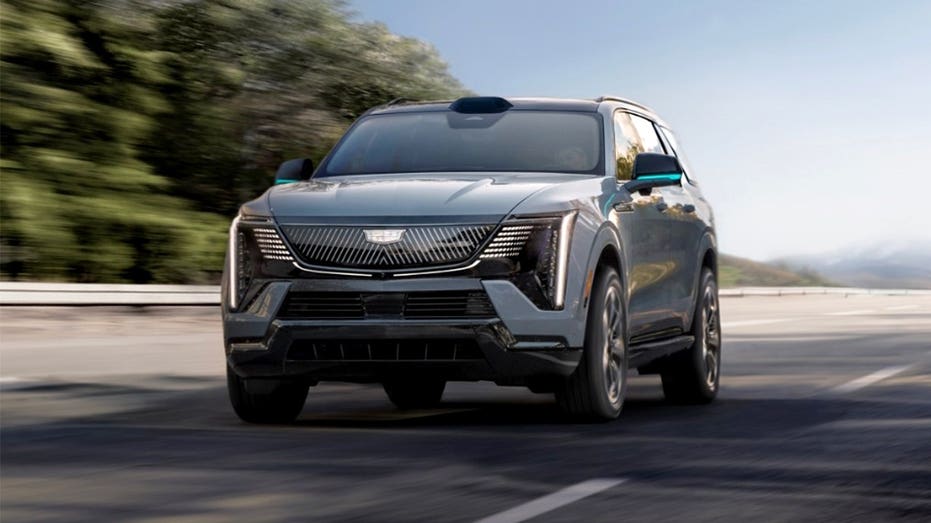
The technology is expected to debut in the Cadillac Escalade IQ electric SUV. However, GM still has plenty to prove before drivers can . The company is testing how people react when a vehicle suddenly needs their attention. That research could help GM determine how much warning drivers need before safely taking control.
Join our upcoming CyberGuy LIVE class: 5 Ways to Travel Smarter and Save Money
In this free live online class, Kurt "CyberGuy" Knutsson will share five practical ways to protect your trip and your wallet this holiday travel season. Youll learn how to secure your phone and personal information, find better travel deals, avoid common scams, save money on bookings and use technology to make your travels easier and less stressful. No technical experience is needed.
Join us Saturday, October 31, at 11 AM ET / 8 AM PT. Register free now at CyberGuyLive.com.
IKEA TURNS TO DRIVERLESS SEMIS WITH NOBODY IN THE CAB
GM already offers Super Cruise, a hands-free driving system available on more than 20 models across Cadillac, Chevrolet, GMC and Buick. It can manage steering, acceleration and braking on compatible roads under certain conditions. However, drivers must continue watching the road and remain ready to take control.
The next version of Super Cruise would remove that constant attention requirement when the eyes-off feature is active. GM plans to introduce it on compatible highways before eventually expanding to other roads. The system will use lidar, radar and cameras to monitor its surroundings. Turquoise lights on the dashboard and exterior mirrors will signal when eyes-off driving is available and active. GM says the technology could arrive as early as 2028. However, the launch depends on further development, safety testing and other requirements. Availability will also depend on state laws.
Before asking drivers to trust a vehicle with their safety, GM wants to understand what happens when people stop concentrating on driving. At its Global Technical Center in Warren, Michigan, hundreds of volunteers have climbed into real GM vehicles, including the Cadillac Lyriq. However, instead of driving onto an actual highway, they enter an immersive simulator that recreates different road conditions. Researchers can introduce sudden traffic changes, construction zones and hazardous situations.
Meanwhile, sensors monitor drivers' eye movements, heart rates and stress responses. The tests help GM understand how people behave when the technology encounters something unexpected. GM also tests its automated driving technology on closed courses and public roads with trained safety drivers. According to the company, its simulation tools can reproduce the equivalent of 100 years of driving in a single day. That gives engineers opportunities to study dangerous situations without exposing everyday drivers to those risks.
Here's something I didn't expect to see in automotive safety research. GM is asking some participants to play Candy Crush while researchers study their reactions. The game creates an engaging distraction. Players become focused on improving their scores, which gives researchers a way to measure what happens when they must suddenly shift their attention back to driving. According to