Inside the dangerous US mission that cleared Irans mines from Hormuz shipping lanes
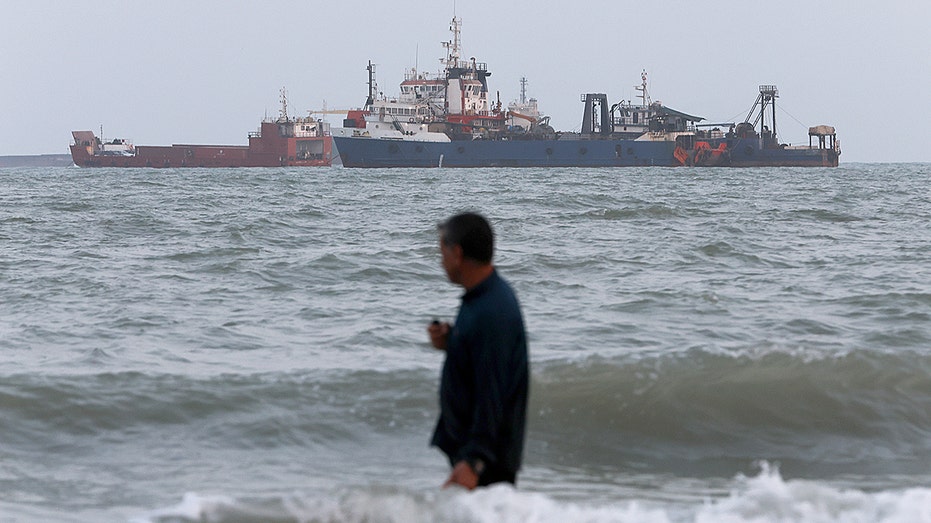
Inside the dangerous US mission that cleared Irans mines from Hormuz shipping lanes
President Donald Trump declared last week that the United States had removed or detonated all mines in international waters in the Strait of Hormuz.
Now, the commander of U.S. Central Command has offered the clearest public account yet of the high-stakes operation behind that declaration: a months-long effort in which U.S. forces quietly cleared Iranian sea mines from established international shipping lanes used by commercial vessels.
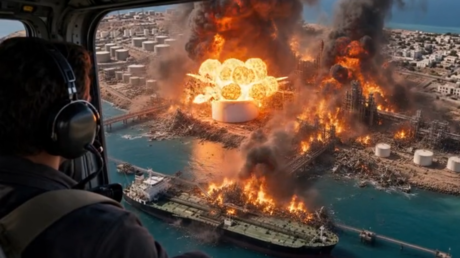
Other threats still stand between the cleared lanes and a return to normal activity in one of the worlds most important waterways. The latest maritime guidance still classifies the Strait at a "SEVERE" threat level. Recent attacks have struck tankers near Oman, and oil flows remain far below prewar levels.
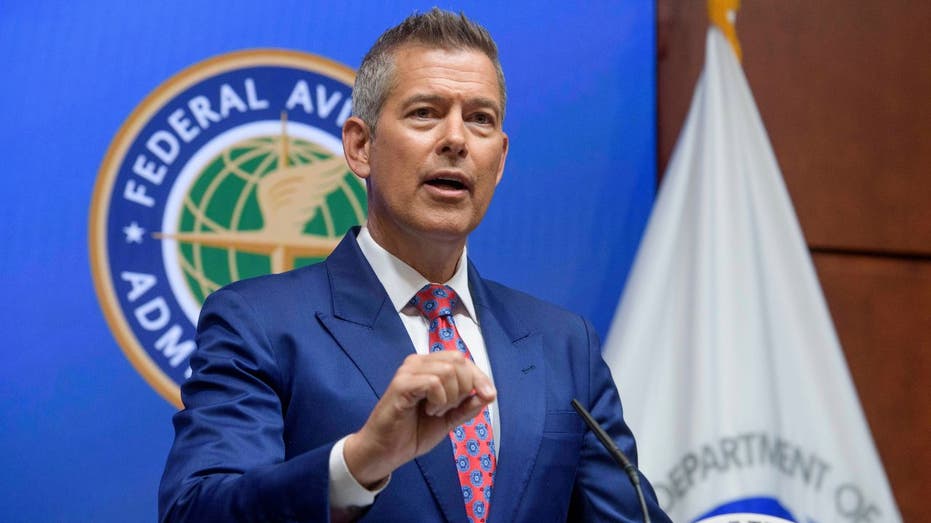
"We have successfully cleared sea mines in the Straits international shipping lanes that were laid months ago by Irans Islamic Revolutionary Guard Corps," CENTCOM commander Adm. Brad Cooper said in a video update.
TRUMP SAYS IRANS NAVY OBLITERATED AS US ENFORCES HORMUZ BLOCKADE — BUT KEY THREAT REMAINS
"Internationally recognized transit routes in the Strait are free of Iranian sea mines thanks to the incredible work of the U.S. military," Cooper said.
Cooper identified the cleared area as the Straits Traffic Separation Scheme, the long-standing system of opposing lanes that guides commercial vessels through the narrow waterway between Iran and Oman.
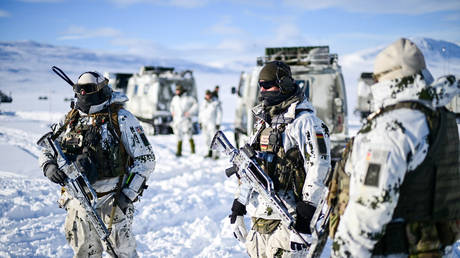
"Our forces meticulously and quietly cleared them of sea mine threats using a combination of Navy divers, Navy SEALs and U.S. air power from the Army, Navy, Air Force and Marine Corps," Cooper said.
The operation was carried out as the Navy was in the middle of a major transition in how it handles mine warfare.
The service had retired its four Bahrain-based mine countermeasure ships the previous year as newer unmanned systems were still being fielded. In April, defense analyst Bryan Clark told Fox News Digital the Navy was at a "nadir" in its mine-sweeping capacity.
At the time, retired Vice Adm. Kevin Donegan, who previously commanded the Navys 5th Fleet, said newer technology was increasingly being used to locate and neutralize mines, including unmanned systems that map the seabed and identify potential threats before explosive ordnance teams move in.
Coopers account now shows U.S. forces relied on a broader combination of Navy divers, SEALs and air power to clear the international shipping lanes. CENTCOM has not disclosed the precise role each capability played.
"The circumstances were challenging and dangerous to say the least, but we got the job done," Cooper said. "Bottom line, today international shipping lanes are open and momentum is building."
Donegan, who was not involved in the current operation, said mine-clearance operations begin with surface and subsurface vessels, including unmanned systems, locating and identifying possible mines. Once mines are identified, autonomous systems, specially trained Navy divers and SEALs can destroy or neutralize them.
Different sections of a waterway can be at different stages of the process at the same time, Donegan said, with forces neutralizing mines in one area while detection and identification continue elsewhere.
Throughout the operation, the Navy continues scanning the waterway to ensure it has not missed any mines, he said.
Donegan said the Navy uses a sophisticated detecti





 33.3c
33.3c