Woman loses nearly $1M in LinkedIn romance scam
Woman loses nearly $1M in LinkedIn romance scam
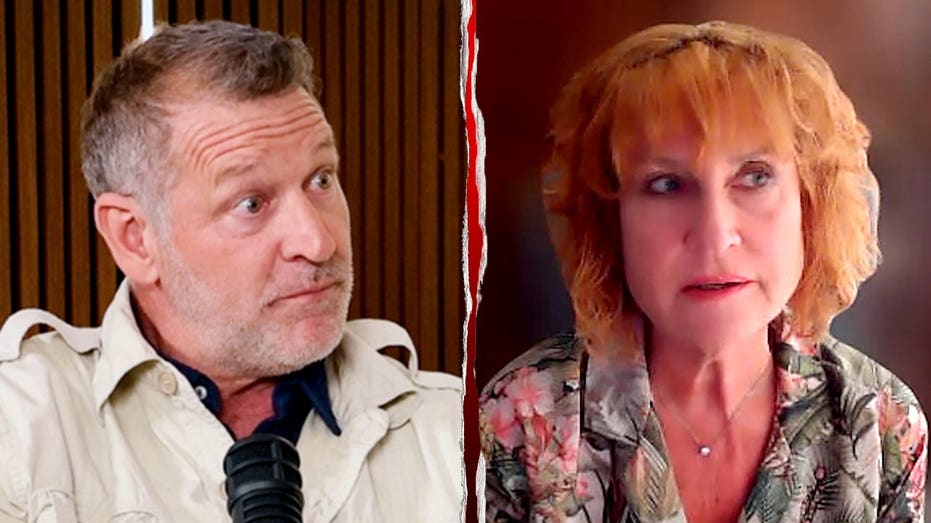
A message from a stranger on LinkedIn probably would not set off alarms for most of us. Especially when that person appears connected to someone you already know. That is how Gaby's story began. Gaby recently joined me on The CyberGuy Report podcast at cyberguy.com/podcast/ to explain how an online relationship that began in 2019 grew into a . Over roughly two years, she says she sent close to $1 million to a man she never met. The person Gaby thought she had fallen for was using the photos and likeness of a real man named Brian Haugen, who also joined us to explain what it has been like watching scammers use his photos to target women around the world.
Gaby described how quickly the attention pulled her in. "The words that he spoke, it was like a drug," she told me. The compliments kept coming, the relationship grew more intense and eventually the requests for money began. Her experience is also part of Hey Beautiful: Anatomy of a Romance Scam, the three-part Hulu docuseries about women who believed they were communicating with the same man.
AI IS CHANGING MODERN DATING, BUT EXPERTS WARN IT'S MAKING PEOPLE 'RELATIONALLY STUPID'
What makes Gaby's story so revealing is how slowly the deception took hold. The scammer built trust over time, returned some of the money she initially sent and always seemed to have another explanation when they could not meet. By the time the biggest requests arrived, the .
NEW! Join our upcoming CyberGuy LIVE class: Get Better Healthcare With AI
In this free live online class, Kurt "CyberGuy" Knutsson will show you five practical ways AI can help you take a more active role in your healthcare. Youll learn how to organize your health history, remember important appointment details, understand complicated medical information, research prescriptions and prepare questions for your next doctors visit. No technical experience is needed.
Register for free now at CyberGuyLive.com
Gaby says the first contact came through LinkedIn in March 2019. That detail helped lower her guard. She primarily used LinkedIn to connect with business contacts. More importantly, the stranger appeared connected to one of her former colleagues. "So I thought, oh yes, she knows him. Okay. That's fine. So let's contact," Gaby recalled.
That small connection gave the profile credibility it had not actually earned. Scammers can take advantage of exactly that type of information. The FTC says criminals may study what people post on social media and use those details to shape a more convincing approach. The FBI also advises people to be careful about what they make public online because romance scammers can use that information when targeting potential victims. Gaby's experience shows why a mutual connection on a social platform should never replace independent verification.
The fake Brian did not open the relationship by demanding hundreds of thousands of dollars. Gaby says they spent weeks talking about his supposed business activities. He claimed he worked in the gemstone trade and told her he had traveled to Vietnam. Then came a problem. He said his bank account had been blocked. Gaby remembers sending about $10,000 at first. Then something happened that dramatically changed how she viewed him. He gave the money back. That repayment helped convince Gaby that she was dealing with someone she could trust. As she explained, "I started to trust him because he sent me back money."
At some point, an online relationship has to enter the real world. Gaby thought about traveling to Vietnam to see him. The man pushed back. According to Gaby, he said he was under stress and d





 13.7c