How the Cambridge Analytica scandal still haunts Mark Zuckerberg
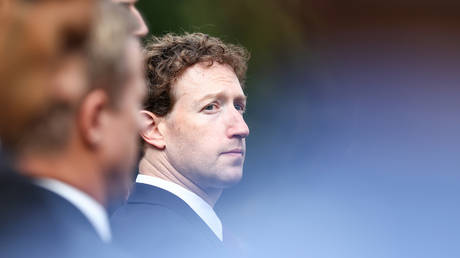
How the Cambridge Analytica scandal still haunts Mark Zuckerberg
Meta is still paying tens of billions of dollars to settle the data-scraping debacle that defined the 2016 election
‘Cambridge Analytica’ is by now a byword for the social media Wild West of 2016, when regulations were non-existent and unscrupulous brokers sold personal user data to advertisers and political operatives. RT explores the scandal that Meta CEO Mark Zuckerberg still can’t dodge.
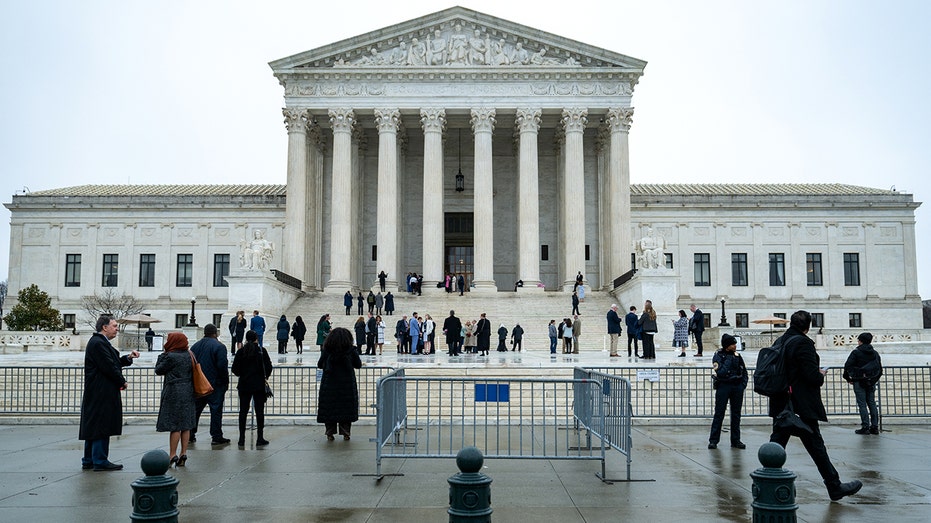
On October 22, Meta was ordered by a New Mexico judge to pay $25 billion in civil penalties over the collection of personal data from 44 million Facebook users by Cambridge Analytica more than a decade earlier.
The judge concluded that Meta’s misconduct warranted a penalty exceeding $219 billion under state law, but reduced the amount to $25 billion, making it one of the largest fines ever imposed on an American corporation.
Meta, operating at the time as Facebook, knowingly and systematically deceived users about how it managed their personal data and allowed its harvesting by third-party companies like Cambridge Analytica. The jury also found Meta’s senior executive team knew of, and lied about, deceiving users about how it planned to investigate data-harvesting companies after the Cambridge Analytica scandal became public.
To understand how Meta ended up owing an eighth of its annual revenue in just one judgment, it’s necessary to go back to 2013, when Cambridge Analytica emerged from Britain’s shadowy private intelligence sector.
What was Cambridge Analytica?Cambridge Analytica was founded in 2013 as a subsidiary of SCL Group, a London-based private intelligence firm that has provided data analytics and behavioural analysis services to the British Defense Ministry and Foreign Office.
A screenshot from Cambridge Analytica's now-defunct website Cambridge Analytica CEO and SCL Group Director Alexander Nix has admitted under oath that his companies worked with American and British intelligence agencies, provided psychological warfare training to several Western militaries, employed multiple staff with security clearances in the UK and US, and hired former Israeli spies.
SCL Group’s work for NATO, Israel, Ukraine, and other governments and militaries was extensive, and Cambridge Analytica drew on its parent company’s experience in military psyops to become one of the world’s most effective election influence operations, according to whistleblower Christopher Wylie. On the other hand, SCL insists that its military and political wings were separate entities. Whichever account is true, Cambridge Analytica had been hired by political candidates in 200 elections by 2018, according to company documents. These included parliamentary elections in the Czech Republic, India, and Italy, the Brexit referendum in the UK, and most infamously, the 2016 presidential election in the US.
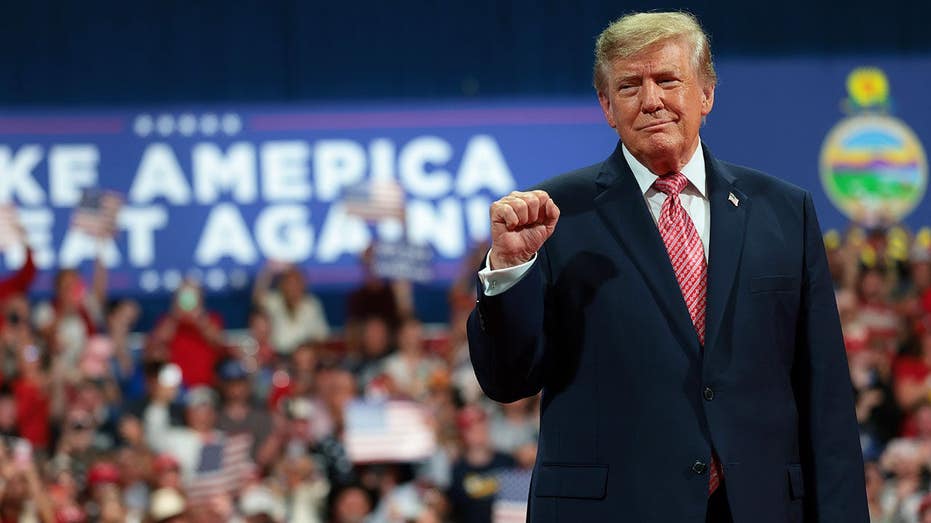
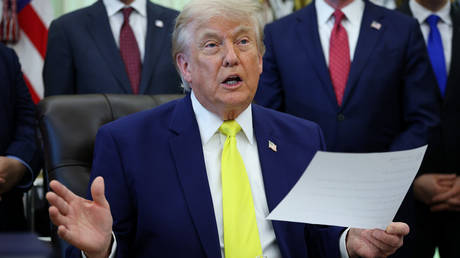
What did Cambridge Analytica do in 2016? Read more Cambridge Analytica was paid nearly $6 million by then-candidate Donald Trump’s campaign in the runup to the 2016 election. The company used its unprecedented access to Facebook user data to identify persuadable voters and potential donors, select effective markets for television ads, and target certain Hillary Clinton supporters for deterrence – adverts discouraging them from going to the polls on election day.
How did this become a scandal? Cambridge Analytica did not break any laws to obtain this data. It was scraped from tens of millions of Facebook users who had, unbeknownst to themselves, given a third-party Facebook quiz application access to their messages, their profile data, and that of their friends.
Cambridge Analytica hired a Cambridge University professor, Aleksandr Kogan, to develop a personality quiz app, named ‘This is Your Digital Life’. Between 250,000 and 270,000 American Facebook users took the quiz in 2015, and by accessing their data, but crucially, under Facebook terms, accessing th